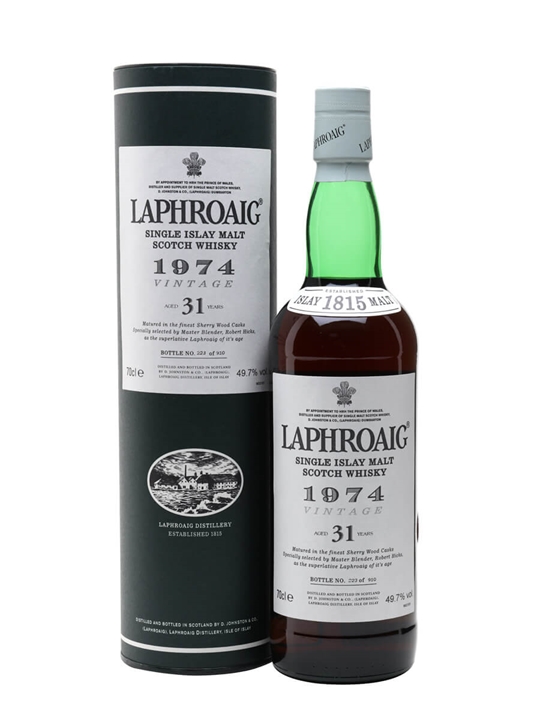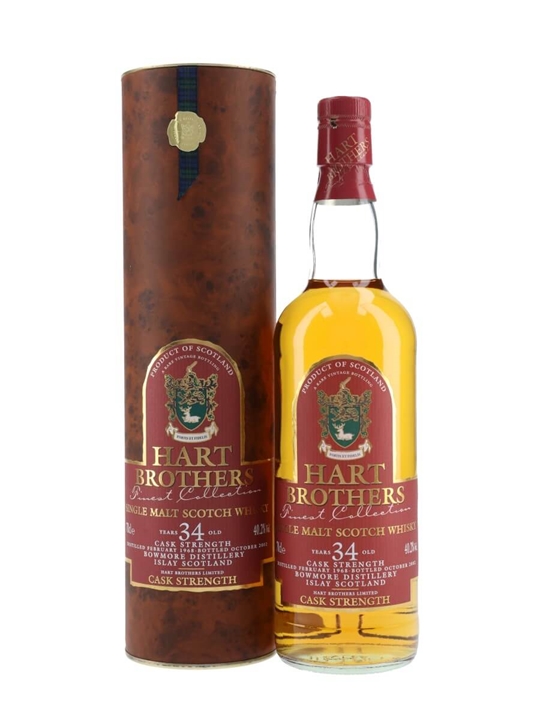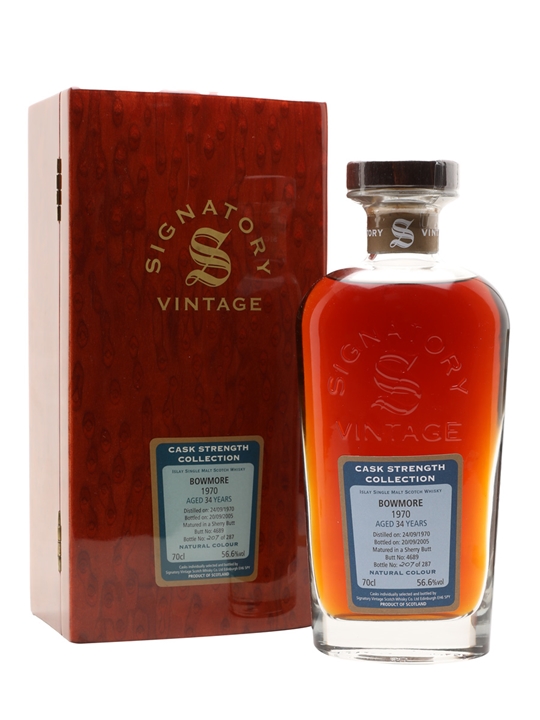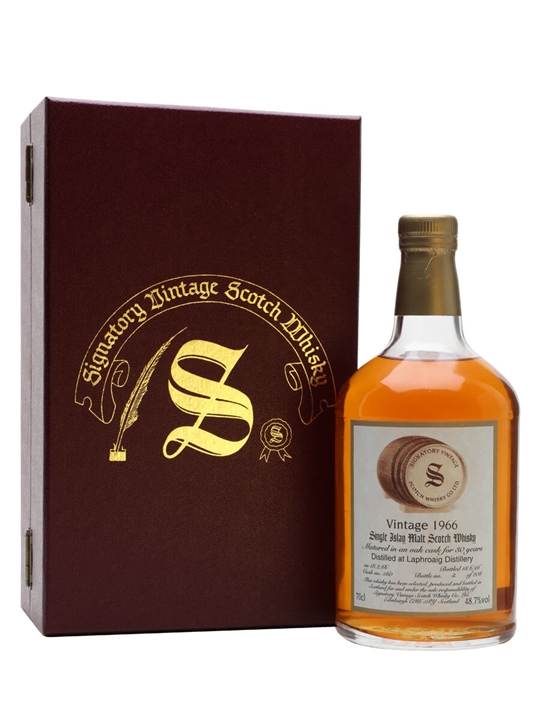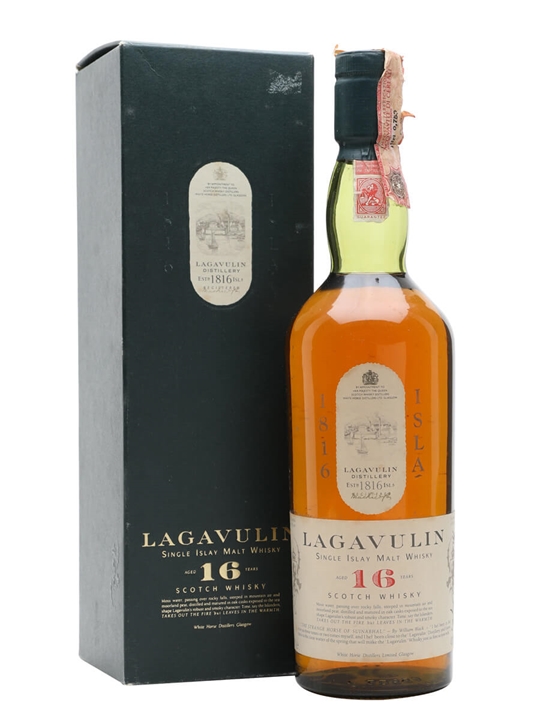

There are bottles you drink, and there are bottles you sit with. This 1980s bottling of Lagavulin 16 Year Old, released under the White Horse Distillers Limited label, belongs firmly in the second category. I found it at the back of a specialist auction catalogue, and when I finally got to pour it, the room changed. That sounds like nonsense. It isn't.
For those unfamiliar with the lineage: White Horse was the blending house that kept Lagavulin running through lean decades when single malt was a hard sell. The brand's founders had owned the distillery since 1890, and their blended Scotch — White Horse Fine Old — used Lagavulin as its backbone. By the 1980s, the distillery's single malt bottlings were still relatively uncommon outside specialist circles. This particular release predates the Classic Malts launch of 1988, which turned Lagavulin 16 into one of the most recognised names in Scotch. What you're holding here is the version before the world caught on.
At 43% ABV, it sits at what was then the standard bottling strength — a touch above the 40% floor and far more generous than it needed to be. Sixteen years in oak on the southern shore of Islay, where the warehouses face directly into the Atlantic weather, is no small commitment. The spirit absorbs that environment: salt air, damp stone, the iodine edge of kelp dragged up on the beach below the distillery walls.
Tasting Notes
I won't fabricate specific notes from memory for a bottle this rare — every 1980s Lagavulin I've encountered has been slightly different depending on storage conditions and fill level. What I can tell you is what to expect from the style. Lagavulin has always been the heaviest hitter on Islay's south coast, denser and more brooding than its neighbours. At sixteen years, the peat smoke has had time to integrate fully with the malt character, moving from campfire intensity toward something more like smouldering embers wrapped in dried fruit. The 1980s distillate is widely regarded by collectors as representing a particular golden period for the distillery, before production changes in the 1990s shifted the house character. If you open this bottle, pay attention. Take your time.
The Verdict
At £850, this is squarely a collector's bottle — and the price reflects that. You're paying for provenance, scarcity, and the particular magic of tasting whisky from an era when Lagavulin was still a secret shared among those who made the ferry crossing to Islay. Is it worth it? If you care about the history of Scotch whisky, if you want to understand what Islay tasted like before the single malt boom reshaped the industry, then yes. This is a time capsule. The liquid inside carries decades of salt wind and slow maturation that no amount of money can recreate today. I'm giving it 8.4 out of 10 — not because anything is lacking, but because the highest marks must be earned on the glass alone, and with bottles this old, condition is always a variable. Find one with a good fill level and proper storage history, and you may well score it higher.
Best Served
Neat, in a tulip glass, after dinner. No ice, no water — not with a bottle this old. Pour a modest measure, let it breathe for ten minutes, and give it the quiet it deserves. A square of very dark chocolate on the side if you must, but honestly, the whisky is the event. Close the laptop. Put the phone in another room. This one asks for your full attention.