
I have taught hundreds of people to taste whiskey — across bar counters, at private tastings, and in quiet moments with friends who just wanted to understand what all the fuss was about. The single most important thing I can tell you is this: there is no wrong answer. If you taste toffee and I taste leather, we are both right. Your palate is yours. The technique below simply helps you notice more of what is already there.
Choose the Right Glass
A tulip-shaped glass like a Glencairn concentrates the aromas at the rim and funnels them toward your nose. When I was behind the bar, I watched the difference it made every single night — guests who had been drinking whiskey from tumblers for years suddenly discovered layers of flavour they had never noticed. A standard rocks glass works in a pinch, but if you are serious about learning, a proper nosing glass is the single best investment you can make. They cost less than a decent dram.
Look at the Colour
Hold the glass up to the light. Whiskey gets its colour entirely from the cask it was aged in — darker generally means longer ageing or more active wood, while lighter gold suggests younger spirit or refill casks. Swirl gently and watch the legs run down the side of the glass. Slow, thick legs often indicate higher alcohol or richer body. None of this tells you whether the whiskey is good or bad — but it starts to tell you a story before you have even taken a sip.
Nose Before You Sip
This is where most beginners go wrong, and I understand why — your instinct is to shove your nose right into the glass. Do not do that. Whiskey is typically 40% alcohol or higher, and at close range it will numb your sense of smell entirely. Instead, bring the glass to your chin first, then slowly raise it. Breathe gently through your mouth and nose together. I tell guests to imagine smelling a flower, not sniffing a cork. You will pick up broad impressions first — sweet, smoky, fruity — and the specifics will emerge with patience. Add a few drops of water and nose again. Water opens whiskey up dramatically, and I have never met a distiller who does not add water when tasting.
Taste Methodically
Take a small sip and let it coat your tongue. Do not swallow immediately. Whiskey hits different parts of your palate in sequence — sweetness at the tip, spice and oak in the middle, warmth and bitterness at the back. The finish is everything that lingers after you swallow. A great whiskey will keep evolving in your mouth for thirty seconds or more. Take notes if that helps, but do not overthink it. At the bar, I used to tell first-timers to answer three simple questions: Is it sweet or dry? Is it light or heavy? Do you like it? Everything else comes with practice.
Great Whiskeys to Start With
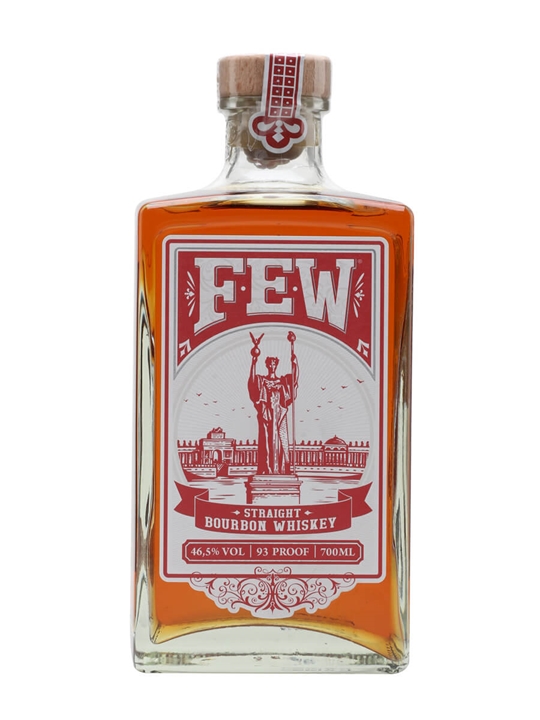
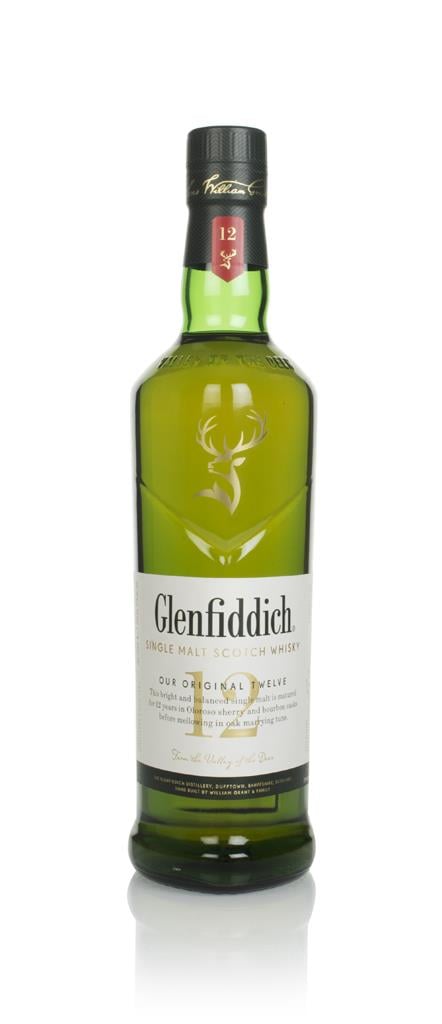
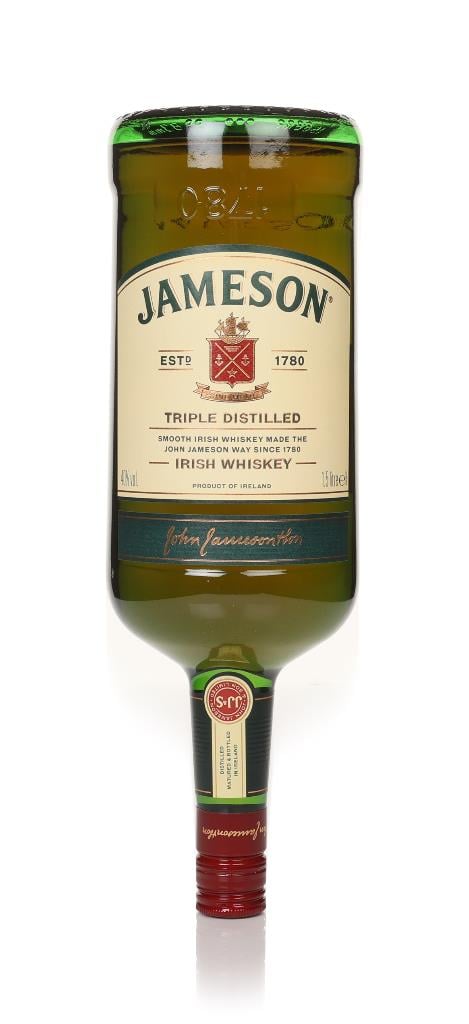
If I were building a beginner's tasting flight from our shelves, I would pour these four: a gentle Irish like Jameson to ease you in, a classic bourbon like Buffalo Trace for sweetness and oak, a clean Speyside Scotch like Glenfiddich 12 for fruit and elegance, and something with a whisper of smoke like Talisker 10 to show you where the adventure goes. Between those four, you will discover which direction your palate naturally leans — and that is when things get really exciting.
Conclusion
Tasting whiskey is a skill, but it is not a difficult one. It simply takes attention and a willingness to trust your own senses. Pour slowly, nose gently, sip thoughtfully, and keep an open mind. I have been doing this professionally for over a decade and I still discover something new in a familiar bottle. That is the beauty of whiskey — it rewards patience every single time.