
There is a question I get asked constantly, and it never gets old: why does whiskey taste the way it does? The answer, more often than not, is the barrel. Distillers will tell you that 60 to 70 percent of a whiskey's final flavour comes from its time in oak. The spirit that goes into a cask is clear, fiery, and relatively simple. What comes out years later is amber, complex, and transformed. The barrel does that work, and understanding how is the key to understanding whiskey itself.
The Science of Extraction
Oak is not a passive container — it is an active ingredient. As temperatures rise and fall with the seasons, the whiskey pushes into the wood and pulls back out, extracting compounds along the way. Vanillin gives you vanilla. Lignin breaks down into caramel and toffee. Tannins provide structure and a drying finish. Hemicellulose caramelises to create those brown sugar and butterscotch notes. I once visited a bourbon warehouse in Kentucky during summer and the smell was extraordinary — the whole building breathed whiskey as the barrels expanded in the heat. That is extraction happening in real time.
Climate Matters
A bourbon ageing in a Kentucky rickhouse, where summers hit 35°C and winters drop below freezing, matures far more aggressively than a Scotch in a damp Highland warehouse where temperatures barely fluctuate. This is why a four-year-old bourbon can taste as developed as a twelve-year-old Scotch — the climate is doing the heavy lifting. It is also why tropical ageing has become so exciting. Whiskies matured in India, Taiwan, or Australia develop at extraordinary speed, producing rich, complex spirits in a fraction of the time.
First-Fill vs Refill Casks
A first-fill cask — one that has never held whiskey before — imparts the most intense flavour. This is why bourbon uses new charred oak by law: it extracts maximum vanilla, caramel, and spice from the fresh wood. Once a bourbon barrel has been used, it gets shipped to Scotland or Ireland where it becomes a first-fill bourbon cask — still active, but gentler. By the third or fourth fill, the cask gives very little colour or flavour, which is why blenders value refill casks for letting the distillery character shine through rather than the wood.
Cask Finishes
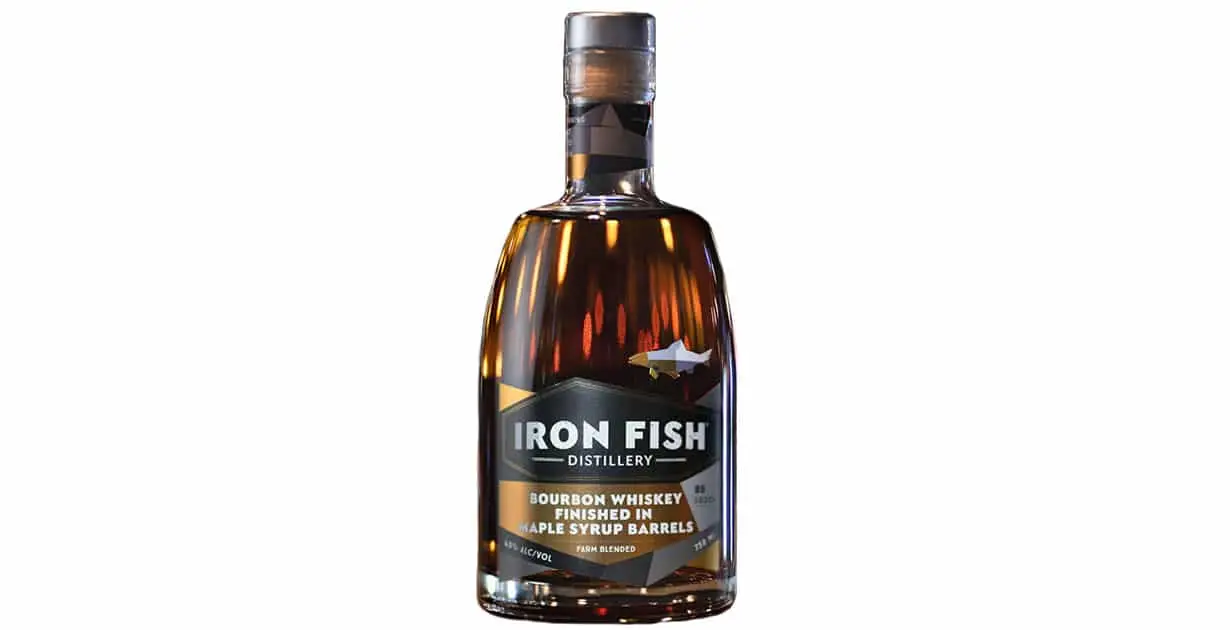
Finishing is the practice of transferring whiskey from its primary cask into a different one for a final period of maturation — typically a few months to two years. Sherry casks add dried fruit, chocolate, and spice. Port casks bring berry sweetness. Wine casks contribute tannin and grape character. When I worked the bar, I used to run a flight of the same base whiskey in three different finishes, and guests were genuinely shocked at how different each one tasted. It is the clearest demonstration I know that the barrel is not just a container — it is a co-author.
Examples from Our Reviews
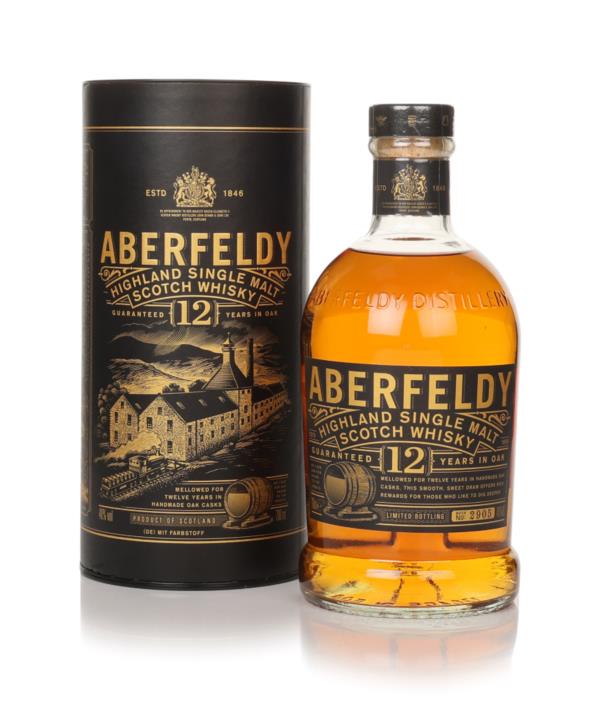
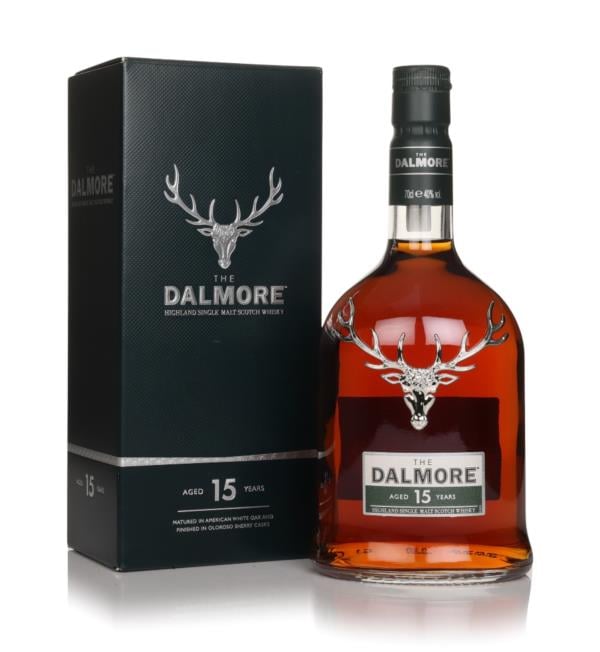
If you want to taste these differences for yourself, try an ex-bourbon-aged Scotch like Aberfeldy 12 alongside a sherry-aged expression like Dalmore 15. Then pour something finished in wine casks — Glenmorangie Quinta Ruban is excellent — and compare all three. You will never think of oak as just a storage vessel again.
Conclusion
The barrel is the silent partner in every glass of whiskey you drink. It provides colour, sweetness, complexity, and texture. Once you start paying attention to cask type, fill number, and climate, you will find that the same spirit can become a hundred different whiskeys — and that is what makes this world so endlessly fascinating.