
When I first started working with bourbon seriously, a colleague asked me whether I preferred high-rye or wheated expressions. I had absolutely no idea what he was talking about. Once I understood mash bills — the grain recipes behind every bourbon — my ability to recommend the right bottle to the right person improved overnight. This is one of those pieces of knowledge that sounds technical but is actually incredibly practical.
What Is a Mash Bill?
A mash bill is the recipe of grains used to make a whiskey. By law, bourbon must contain at least 51% corn, but the remaining 49% is where the magic happens. Distillers choose from rye, wheat, and malted barley in different proportions to create their desired flavour profile. Think of the mash bill as the blueprint — it determines the fundamental character of the bourbon before the barrel ever gets involved. Most distilleries guard their exact ratios carefully, though the general style (high-rye, wheated, traditional) is well known.
Traditional (High-Rye) Bourbon
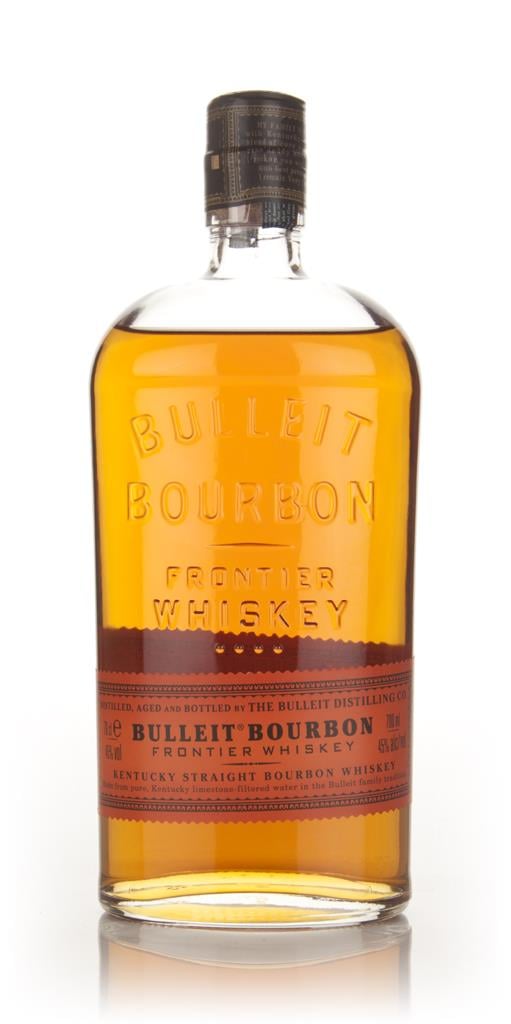
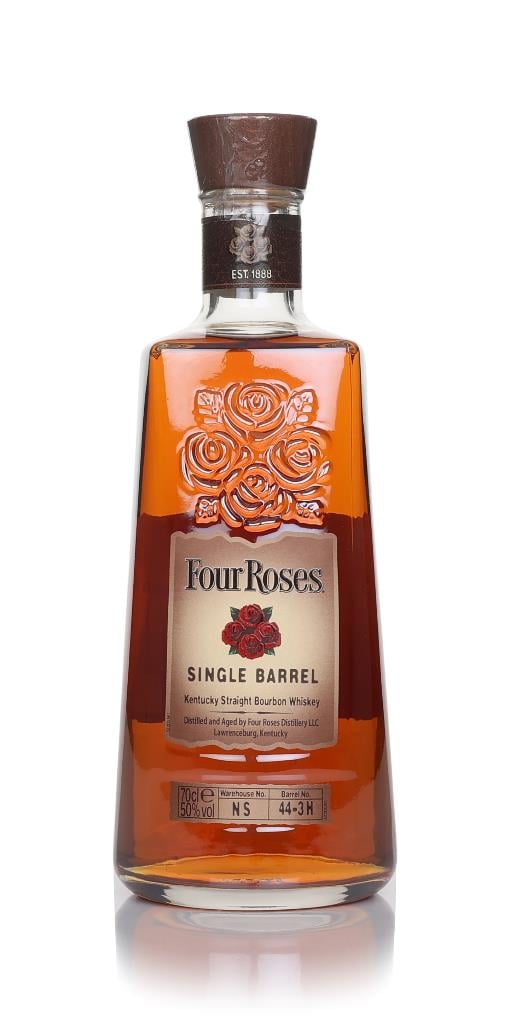
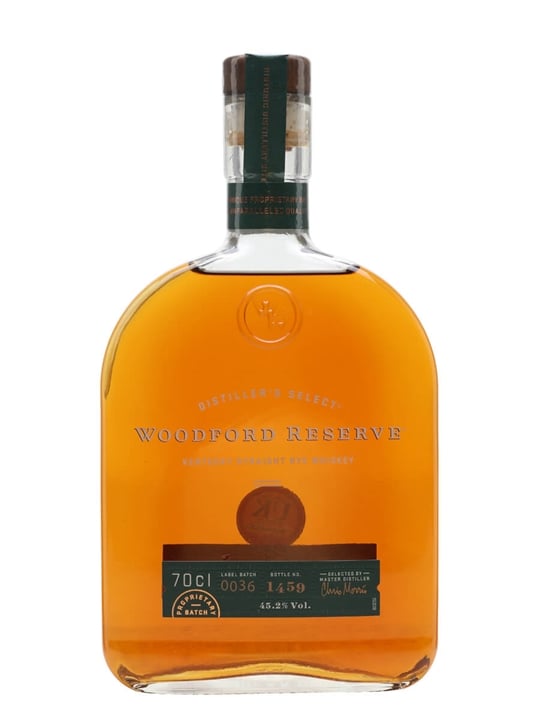
A traditional bourbon mash bill uses rye as the secondary grain — typically 8 to 15 percent, though some push higher. Rye adds spice, pepper, and a dry edge that gives bourbon its backbone. This is the classic bourbon profile: sweet corn up front, baking spice in the middle, a peppery finish. Four Roses, Bulleit, and Woodford Reserve are all high-rye expressions. At the bar, these were my go-to recommendations for Old Fashioneds because that rye spice cuts through the sugar and bitters beautifully.
Wheated Bourbon
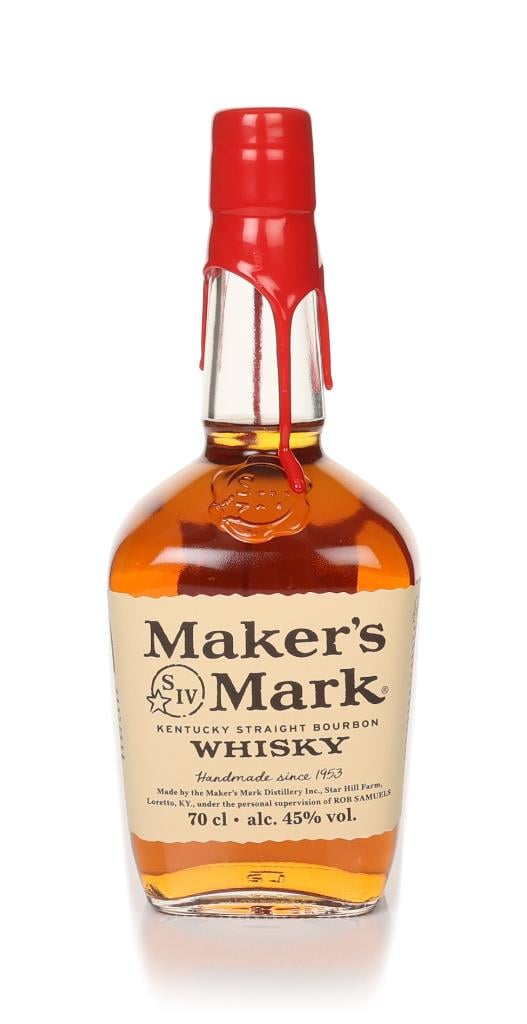
Wheated bourbons replace the rye with wheat, producing a softer, rounder, sweeter spirit. Wheat contributes a gentle breadiness and lets the corn sweetness and oak character come forward without the spicy kick. Maker's Mark is the most famous wheated bourbon, and the entire Weller and Van Winkle lines share Buffalo Trace's wheated mash bill. I always reached for wheated bourbon when someone asked for something smooth — it is the friendliest style for newcomers and works beautifully sipped neat.
High-Corn and Experimental Mash Bills
Some distillers push the corn content well above the legal minimum — 70, 80, even 90 percent — creating bourbons that are exceptionally sweet and approachable. Others experiment with unusual grains: malted rye, spelt, triticale, or heritage corn varieties like Bloody Butcher. These experimental mash bills are where craft bourbon gets genuinely exciting. The flavour profiles can be wildly different from anything you have tasted before. If you see an unusual grain on a label, it is almost always worth trying.
Bourbons to Try
To taste the mash bill difference for yourself, set up a three-way comparison: a classic high-rye like Four Roses Single Barrel, a wheated bourbon like Maker's Mark, and something with an unusual grain like New Liberty Bloody Butcher. Taste them side by side and you will feel the difference immediately — the rye's pepper, the wheat's softness, and the heritage corn's distinctive sweetness. It is one of the most illuminating tastings you can do at home.
Conclusion
Understanding mash bills gives you a vocabulary for what you like and a map for finding more of it. Once you know whether you lean toward rye spice or wheat softness, every bourbon purchase becomes more confident. It is a small piece of knowledge that pays dividends for years.