
If I had a pound for every time someone asked me "what is the difference between bourbon and Scotch?" across the bar, I could have retired years ago. It is genuinely the most common question in whiskey, and it deserves a proper answer — because once you understand these two spirits, every other whiskey style starts to make sense.
What Is Bourbon?
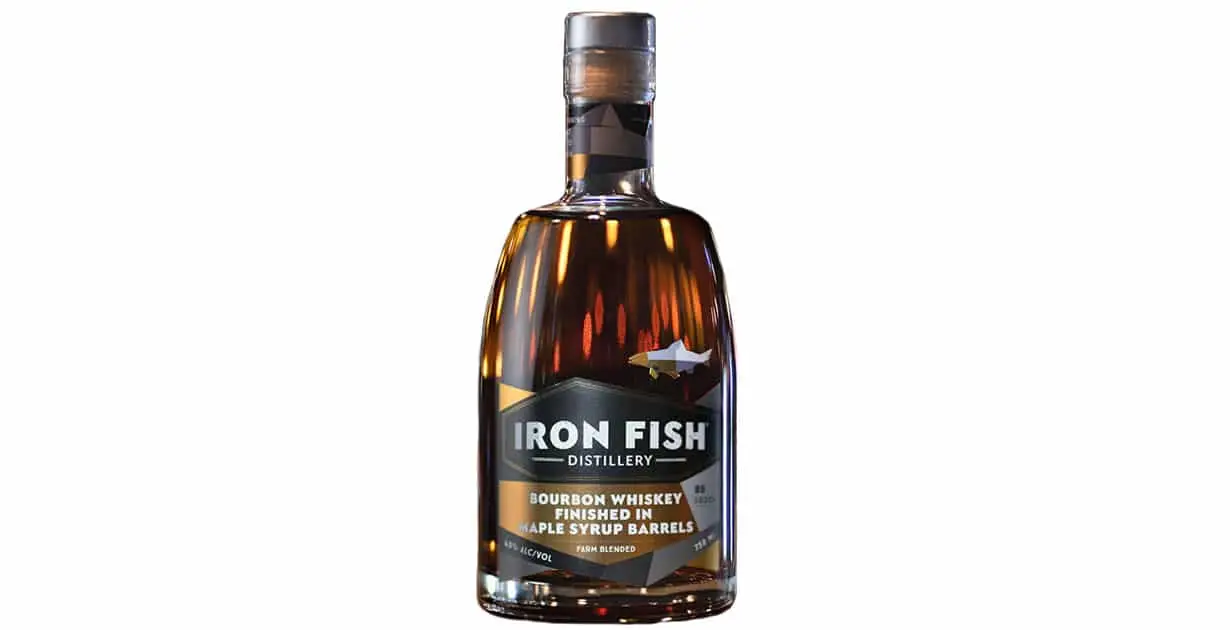
Bourbon is an American whiskey made from at least 51% corn, distilled to no more than 160 proof, and aged in brand new charred oak barrels. That new oak is crucial — it is what gives bourbon its characteristic sweetness, all that caramel, vanilla, and toffee that makes it so immediately appealing. Most bourbon comes from Kentucky, though legally it can be made anywhere in the United States. The corn-heavy mash bill makes it naturally sweeter than Scotch, which is one reason I always recommended it as a starting point for whiskey newcomers at the bar. It meets people where they are.
What Is Scotch?
Scotch whisky (no "e" — the Scots are particular about this) must be made in Scotland from malted barley, water, and yeast, then aged for a minimum of three years in oak casks. Unlike bourbon, Scotch typically uses refill casks — barrels that have already held bourbon, sherry, or wine — which gives it a subtler wood influence and lets the grain character shine through. The range is extraordinary: from the light, floral whiskies of the Lowlands to the peat-smoked monsters of Islay. I have poured Scotch that tasted like honey and fresh apples, and Scotch that tasted like a bonfire on a seaweed-strewn beach. No other category offers that breadth.
Key Differences
Beyond the legal definitions, the practical differences come down to flavour profile. Bourbon tends toward sweetness — vanilla, caramel, brown sugar, baking spice — thanks to that new charred oak and corn-heavy recipe. Scotch leans toward complexity and restraint — dried fruit, heather, malt, sometimes smoke — shaped by its grain, its water, and Scotland's cooler climate, which slows maturation. Bourbon is bold and upfront; Scotch asks you to lean in. Neither is better. They are simply different conversations with the same raw material: grain, water, yeast, and time.
Which Should You Choose?
When guests at the bar asked me this, I always asked the same thing back: do you have a sweet tooth, or do you prefer things dry? Sweet-leaning drinkers almost always take to bourbon first. If you prefer your coffee black, your chocolate dark, and your wine on the dry side, start with Scotch. But honestly, the best advice I can give is to try both. Order a bourbon and a Scotch side by side — taste them alternately, and your palate will teach you more in ten minutes than any guide ever could.
Conclusion
Bourbon and Scotch are not rivals — they are two brilliant expressions of what happens when grain meets oak and time. I love them both, and most serious whiskey drinkers end up feeling the same way. Start with whichever appeals to you, but do not stop there. The journey between these two worlds is one of the great pleasures in spirits.