
Early in my bartending career, I made a fool of myself by recommending a "single malt" to a guest who wanted something sweet, not realising the bottle I had picked was a heavily peated Islay expression. The label told me everything I needed to know — I just did not know how to read it yet. That mistake taught me a lesson I have never forgotten: the label is your best friend, and five minutes learning to decode it will save you from a lot of disappointing purchases.
Age Statement
The age on a whiskey label refers to the youngest spirit in the bottle. If it says 12 years, every drop of liquid inside has spent at least twelve years in a cask — but some may be older. Blenders often use a core of older whisky to add depth, with the age statement reflecting the minimum. A whiskey without an age statement (NAS) is not necessarily young or inferior — it simply means the producer chose to blend by flavour rather than by number. Some of my favourite whiskies carry no age at all.
Proof and ABV
ABV (alcohol by volume) tells you the strength of the whiskey. Most standard bottles sit at 40-43% ABV. Cask strength or barrel proof whiskey is bottled directly from the cask, typically between 50-65% ABV, with no water added to dilute it. Higher ABV means more intense flavour — and more flexibility for you, because you can always add your own water to bring it down. Behind the bar, I always preferred pouring cask strength whiskey and letting guests find their own sweet spot with a water dropper.
Distillery vs Brand
This is where labels get tricky. The name on the front of the bottle is not always the distillery that made the whiskey. Many brands — particularly in bourbon and blended Scotch — source their whiskey from one or more distilleries and bottle it under their own label. This is perfectly legal and not inherently bad, but it does mean you should look for phrases like "distilled by" versus "bottled by" or "produced by." Independent bottlers in Scotch, like Gordon & MacPhail or Signatory, are transparent about this and often produce outstanding single cask releases from well-known distilleries.
Mash Bill
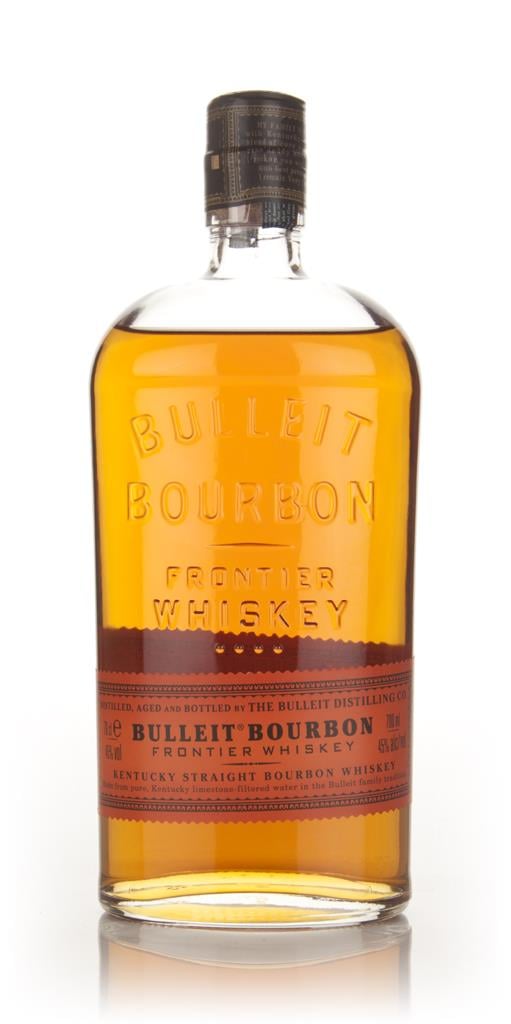
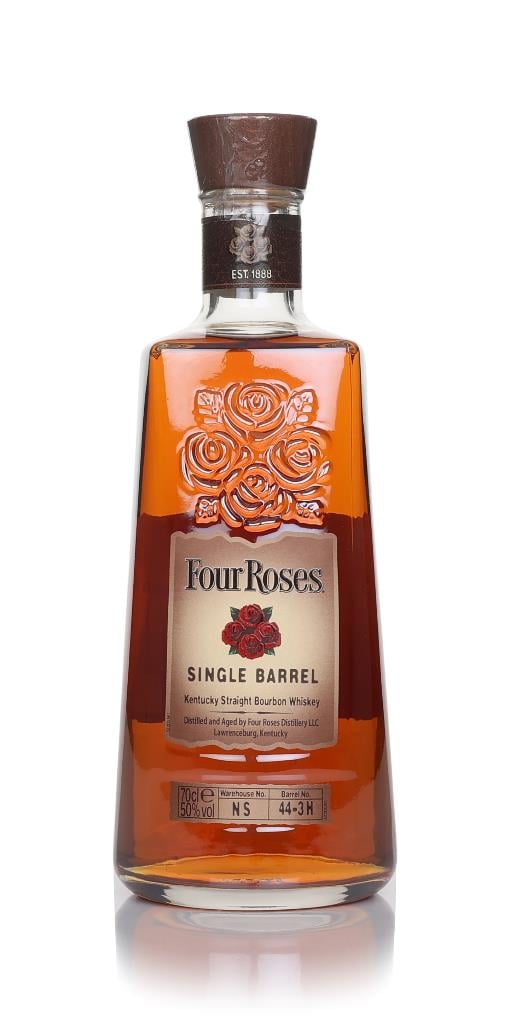
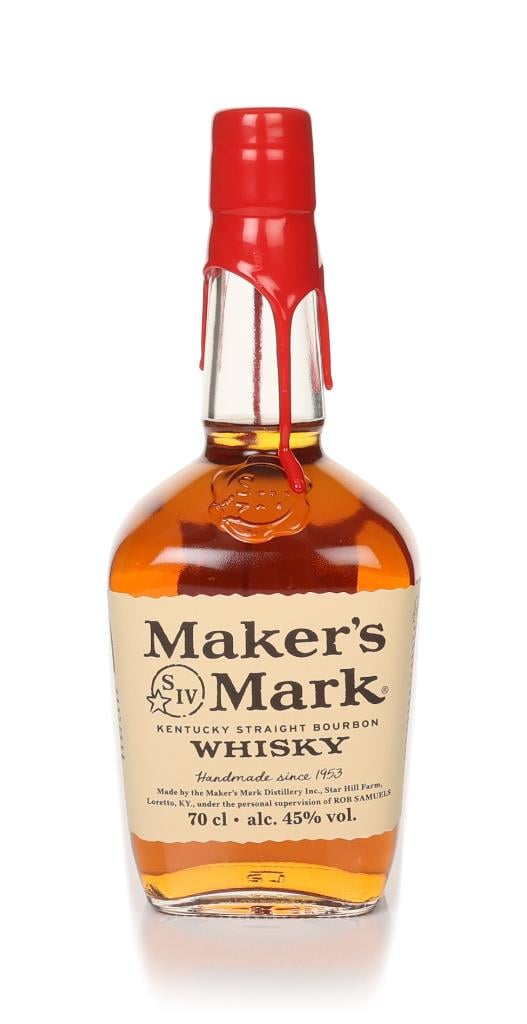
In bourbon, the mash bill tells you the grain recipe — the ratio of corn, rye, wheat, and malted barley. High-rye bourbons (like Bulleit or Four Roses Single Barrel) tend toward spice and pepper. Wheated bourbons (like Maker's Mark or Weller) lean sweeter and softer. Scotch labels rarely disclose mash details, but if you see "single malt," you know it is 100% malted barley from one distillery. "Blended malt" means malted barley from multiple distilleries. "Blended Scotch" includes grain whisky in the mix.
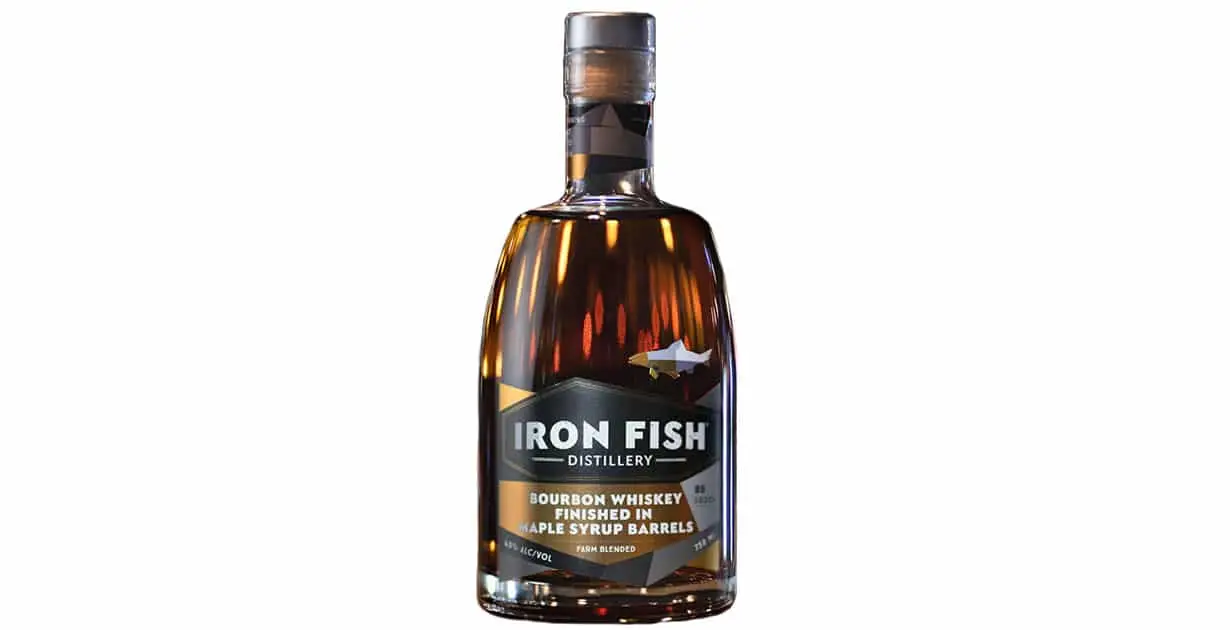
Bottle Examples from Our Reviews
Next time you are browsing, pick up a bottle and read every word on both the front and back labels. Check the ABV, look for an age statement, note whether it says "distilled by" or "bottled by," and see if a mash bill or cask type is mentioned. You will be surprised how much information is hiding in plain sight. Our reviews always call out these label details so you know exactly what you are getting before you buy.
Conclusion
A whiskey label is a contract between the producer and you. It may not tell you everything — there is no legal requirement to disclose cask type, exact age of the oldest component, or whether colouring was added — but it tells you enough to make an informed choice. Learn to read it, and you will never buy blind again.