
I cannot count the number of times a guest has told me they "only drink single malts" with an air of superiority — then raved about a blended malt I slipped them without saying what it was. The single malt versus blended Scotch debate has been fuelled by decades of marketing, snobbery, and genuine misunderstanding. The truth is far simpler, and far more interesting, than most people think.
What Is a Single Malt?
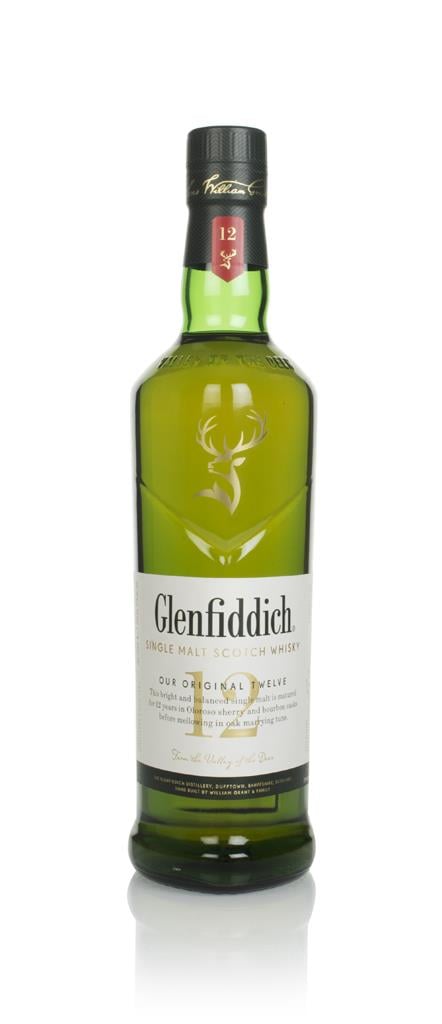
A single malt Scotch is made from 100% malted barley at a single distillery. The word "single" refers to one distillery, not one barrel or one batch. A bottle of Glenfiddich 12, for example, is a blend of hundreds of different casks from Glenfiddich's warehouses, all married together to create a consistent house style. Single malts showcase the character of their distillery — its water, its stills, its casks, and the decisions of its maker. That individuality is what makes them exciting.
What Is a Blended Scotch?
A blended Scotch combines malt whisky from multiple distilleries with grain whisky (a lighter spirit made from wheat or corn in column stills). The art of blending is about creating something greater than the sum of its parts — a consistent, balanced flavour that no single distillery could achieve alone. Johnnie Walker, Chivas Regal, and Dewar's are all blends, and they account for over 90% of all Scotch sold worldwide. Great blenders like Jim Beveridge or Richard Paterson are among the most talented noses in the industry.
Is One Better Than the Other?
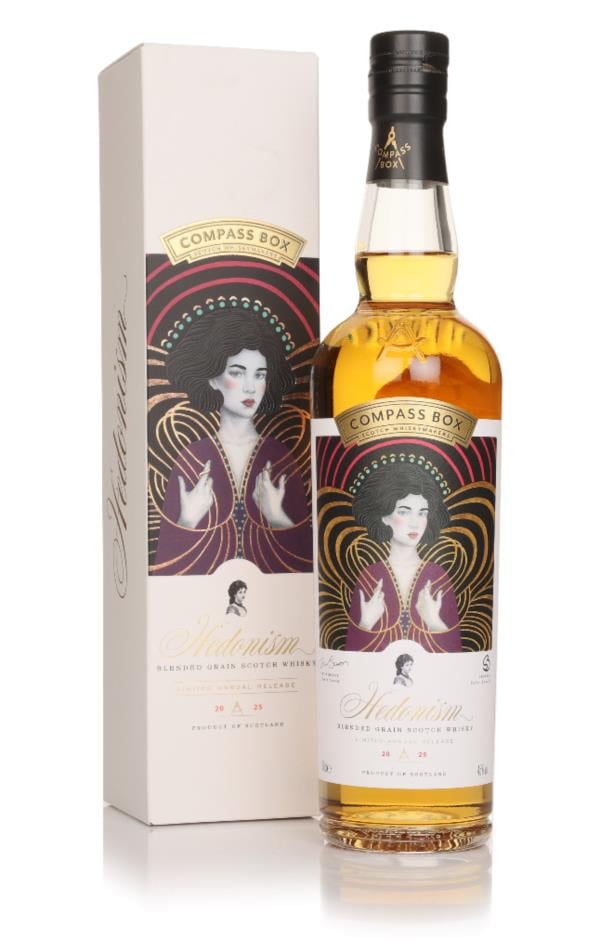
Absolutely not. A bad single malt is far worse than a good blend. I have tasted single malts that were thin, spirity, and one-dimensional, and blends that were layered, complex, and genuinely beautiful. The price premium on single malts is driven partly by marketing and partly by the economics of production — but it has nothing to do with inherent quality. Compass Box, which produces exclusively blended whiskies, makes some of the most critically acclaimed Scotch on the market. Quality is about craftsmanship, not category.
Which Should You Buy?
If you want to explore the character of specific distilleries and regions, single malts are your path. If you want consistency, approachability, and often better value for money, blends are superb. My honest advice? Buy both. A great blend like Monkey Shoulder or Compass Box Hedonism belongs on every shelf, right next to your favourite single malts. They serve different purposes, and both serve them well.
Conclusion
Drop the snobbery and drink what you enjoy. The best whisky is the one in your glass, whether it came from a single distillery or fifty. The next time someone tells you they only drink single malts, pour them a great blend and watch them change their mind. I have done it dozens of times, and the look of surprise never gets old.